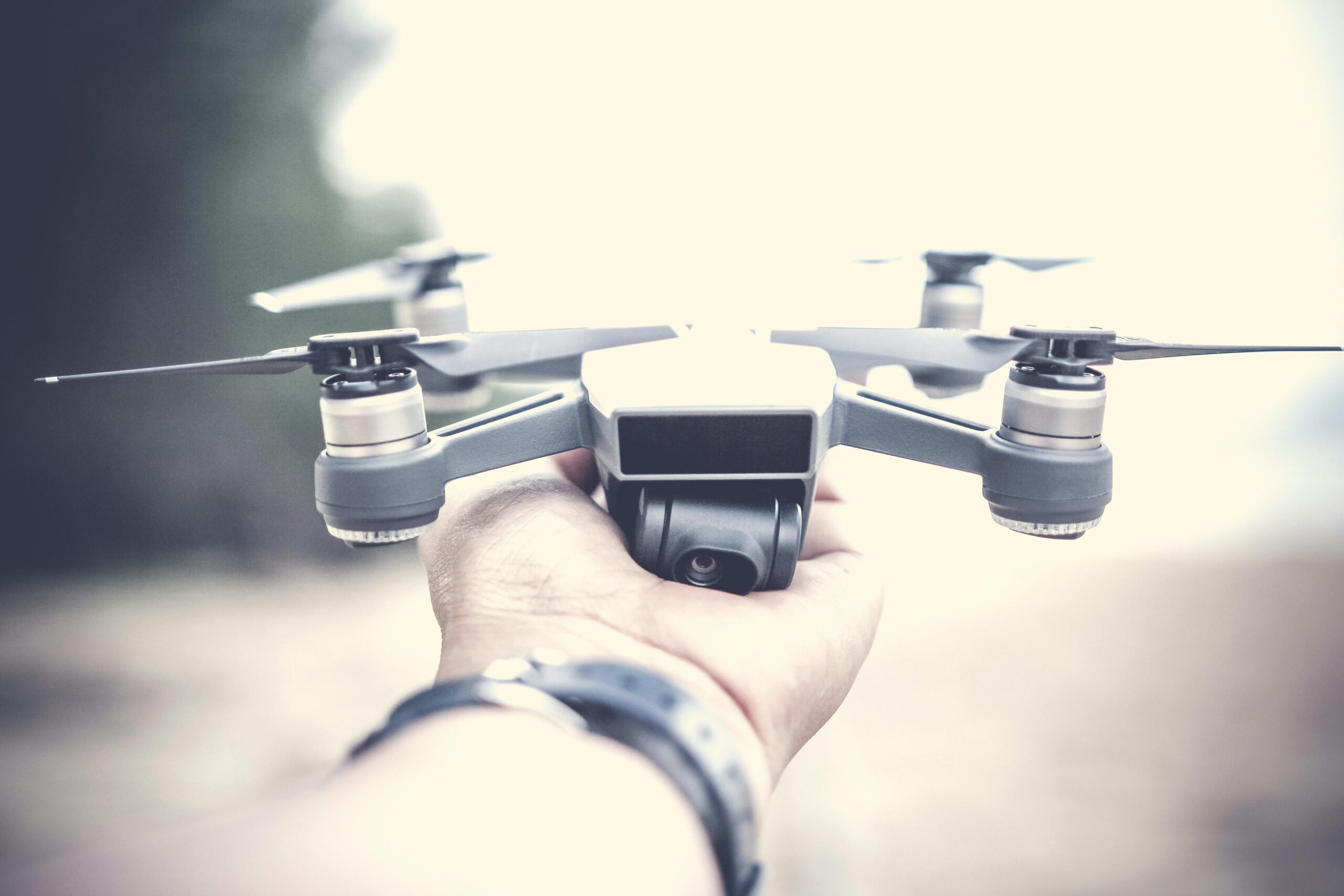
The global conversation around instant delivery has revealed a striking contradiction. Western media and policymakers loudly condemn the dangers of 10-20 minute delivery times when human workers are involved citing traffic accidents, worker exploitation, and unsafe working conditions. Yet when drones promise the same rapid delivery, the response is markedly different: celebration, investment, and regulatory accommodation. Is this inconsistency rooted in genuine safety concerns, or does it mask deeper anxieties about labor, technology, and global competitiveness?
The Double Standard: Humans vs. Machines
When companies in Asia promise grocery delivery in fifteen minutes using gig workers on motorcycles, Western commentators are quick to raise alarm bells. And they’re not entirely wrong the pressure to deliver at breakneck speed does create hazardous conditions. Workers racing against the clock navigate congested streets, skip safety protocols, and work under algorithmic surveillance that penalizes any delay.
But here’s the paradox: when Western companies unveil drone delivery systems capable of the same speed, the narrative shifts dramatically. Suddenly, instant delivery isn’t exploitative, it’s innovative. The safety concerns don’t disappear; they’re simply transferred to a technological solution that conveniently requires fewer human workers.
This isn’t hypocrisy in the traditional sense. It’s something more complex: a fundamental difference in how East and West conceptualize the relationship between technology, labor, and societal challenges.
The Real Divide: Geography, Demography, and Development Paths
The West’s enthusiasm for automation isn’t born solely from innovation, it’s a response to demographic reality. Western nations face aging populations, labor shortages, and relatively low population density. In this context, technology becomes the solution to scarcity. One operator managing fifty drones can service a suburban area where finding fifty delivery workers would be prohibitively expensive.
The math is simple: fewer people, higher labor costs, greater incentive to automate.
The East confronts the inverse problem: population abundance. Cities like Mumbai, Jakarta, and Manila are home to millions seeking employment. The logistics challenge isn’t finding workers, it’s managing them effectively. Delivery platforms in these regions tap into a vast labor pool where millions need income, creating gig economy ecosystems that employ at scales unimaginable in the West.
The fundamental problem isn’t technology, it’s management. How do you coordinate millions of workers? How do you ensure safety, fair wages, and sustainable working conditions while meeting consumer demand for convenience?
Insecurity Masked as Innovation?
There’s an uncomfortable truth beneath the surface: the West’s pivot toward automation may reflect anxiety about falling behind in the human-centered gig economy model that Eastern companies have mastered. When you can’t compete on the ground with human networks, you change the game entirely.
Drone delivery offers Western economies a path to instant gratification without confronting difficult questions about labor rights, wages, or the social contract. It’s easier to celebrate a technological leap than to grapple with why your economy can’t organize human labor as efficiently as competitors in Asia.
This isn’t to romanticize Eastern delivery models, they have serious problems with worker exploitation and safety. But dismissing them while championing drones reveals a selective moral framework.
The Training Advantage: East’s Long Game
Here’s where the East holds a strategic advantage: workforce development. Training millions of delivery workers creates not just immediate employment but transferable skills—navigation, customer service, logistics coordination, basic technology literacy. These workers form the backbone of an adaptive economy.
As Eastern economies mature, they’ll inevitably adopt more automation. But they’ll do so from a position of strength, with an educated workforce ready to transition. The delivery worker of today becomes the drone fleet manager of tomorrow. The infrastructure built on human networks provides the template for automated systems.
Meanwhile, Western economies risk a different vulnerability: technological dependence without the human capital to support it when systems fail.
The Security Paradox: Commerce Today, Conflict Tomorrow
But let’s address the elephant in the room or rather, in the sky. Every commercial drone is a potential weapon.
We’ve seen the transformation in real time: Ukrainian forces converting consumer drones into makeshift bombers. Pakistan and India deploying UAVs across disputed borders. Israeli and Iranian drone warfare. The technology that delivers your groceries shares fundamental components with systems designed to kill.
This isn’t hypothetical fearmongering. It’s documented reality.
The question isn’t whether commercial drones can be weaponized they already have been. The question is whether we can build safeguards into delivery systems that prevent dual-use conversion without crippling commercial viability.
A Two-Factor Solution?
Perhaps we need something akin to two-factor authentication for drones, a multi-layered verification system that ensures commercial drones cannot be repurposed for hostile acts. Consider:
1. Hardware-Level Restrictions: Geofencing built into the drone’s core circuitry, impossible to override without destroying the device. Maximum payload limits enforced through physical design, not just software.
2. Network Authentication: Commercial drones that only operate when connected to verified commercial networks. Any attempt to fly independently or modify flight patterns triggers automatic grounding.
3. Supply Chain Tracking: Battery and component serialization that makes it impossible to assemble a functioning drone from black market parts. Think of it as blockchain for drone components.
4. Regulatory Reciprocity: International treaties that require standardized safety features across all commercial drones, similar to aviation standards.
The challenge is enforcement. How do you ensure compliance when determined actors will always seek workarounds? And how do you balance security with the innovation that drives economic growth?
The Coming Convergence
Within a decade, the East-West divide on delivery technology will likely blur. As Eastern economies develop and labor costs rise, automation will become economically attractive. As Western populations become more comfortable with gig work and economic pressures mount, human delivery networks may expand.
Fast delivery will become the new normal, globally—whether achieved through human workers, drones, or hybrid systems. The real question is whether we’ll build this future thoughtfully or stumble into it while congratulating ourselves on our superior approach, whichever side of the globe we’re on.
Beyond the Binary
The framing of “human versus drone delivery” is itself a false choice. The future likely involves integrated systems: drones for low-density areas and simple deliveries, human workers for complex urban environments and high-touch service.
What’s needed isn’t technological triumphalism or knee-jerk rejection of either approach. It’s clear-eyed assessment of what different solutions offer different contexts. Dense Asian megacities may always benefit from human delivery networks in ways that sparse American suburbs won’t. And drone delivery may solve problems in rural or underserved areas that no amount of human labor can efficiently address.
The hypocrisy isn’t in choosing one technology over another. It’s in pretending that choice is purely about safety or efficiency when it’s really about demographics, economics, and geopolitical positioning.
And on the security front, the time to act is now, before every delivery drone overhead is a potential security threat. Building safeguards into commercial systems today prevents militarization tomorrow.
Conclusion: Honesty in Innovation
The West’s embrace of drone delivery while criticizing rapid human delivery isn’t simple hypocrisy, it’s rational self-interest dressed in the language of concern. The East’s reliance on human networks isn’t exploitation, it’s practical management of different demographic realities.
Both approaches have merit. Both have profound flaws.
What we need is honesty: about why we choose the technologies we do, about the trade-offs involved, and about the security implications of putting autonomous flying machines in every sky.
Only then can we build delivery systems—human, automated, or hybrid—that serve people rather than simply serving markets. And only then can we ensure that the drones bringing us dinner tonight aren’t repurposed as weapons tomorrow.
The future of delivery isn’t about East versus West, or humans versus machines. It’s about whether we can build systems that acknowledge complex realities rather than pretending our preferred solution is the only moral choice.
That’s a delivery worth waiting for, however long it takes.
Leave a Reply